Packing Tips for Your Next Big Adventure
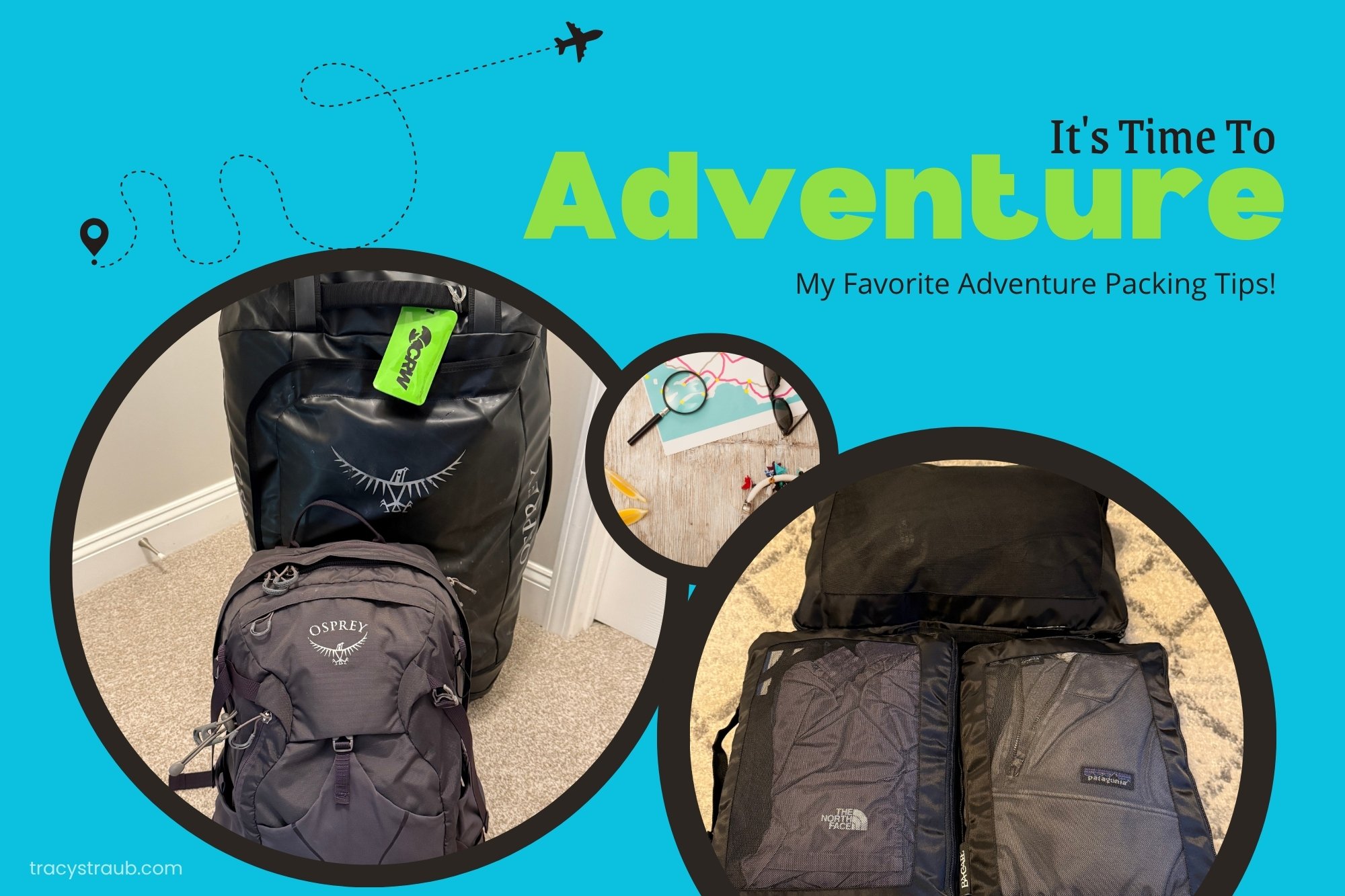
Packing for an Adventure
Packing for an adventure is all about being prepared without overpacking. After years of hiking, traveling internationally, and navigating unpredictable mountain weather, I’ve learned that the right gear can make or break a trip. These are the packing tips I rely on for day hikes and adventure travel. Simple, practical, and tested across trips from the Alps and Dolomites to Patagonia and the U.S. national parks.
If you want to see the exact items I use, many of my favorites are linked in my Amazon storefront.
Clothing for Hiking
Base Layers: Always start with a moisture-wicking base layer. My favorite is the Patagonia Capilene.
Midlayer: A light fleece works for most days. I have several North Face and Arc'teryx ones that I love.
Insulation: One ultralight puffy jacket that compresses down small. I wear it often or keep it in my daypack.
Rain Layer: A breathable rain jacket that also works as a windbreaker.
Hiking Pants: I typically pack three pairs: two hiking pants and one pair of leggings. In colder weather, the leggings fit easily under the hiking pants.
Shorts: Weather can shift quickly by elevation, but I always pack one pair of hiking shorts. I hike hot, so if temperatures are even mildly warm, shorts are usually the more comfortable choice for me.
Footwear:
Waterproof boots (I am a big fan of La Sportiva)
Trail runners for most hikes and casual evenings
Lightweight sandals like Tevas for water crossings or dinner
Clothing for Evenings
One pair of jeans that I wear every night
A simple black or white tee that layers well and can be reworn
Two lightweight fleece pullovers that rotate depending on which one is clean enough for dinner
And yes, I rewear hiking clothes multiple times. If we are on a long trip, I wash what I need in the sink and hang it to dry.
Backpack Essentials
These items apply to day hikes and general adventure travel. Overnight backpacking trips require additional gear such as shelter, a sleeping system, and more food and water planning.
Weather + Clothing Layers
Rain jacket and rain pants
Lightweight gloves
Hat or beanie
Buff
Sunglasses
Hydration + Nutrition
2–3 liters of water in a hydration bladder
Snacks
Electrolyte packets
Water purification tablets or a compact filter (especially for international or long-distance hikes)
Navigation + Communication
Offline maps downloaded to my phone
Power bank for charging my phone
Headlamp
Safety + First Aid
Small first-aid kit
Emergency blanket (ultralight and compact, great for unexpected weather)
Small trash bag for Leave No Trace
Traction + Stability Tools
Microspikes: A compact traction device that fits over your boots and helps prevent slipping on icy or packed-snow trails. I only carry them when conditions call for it, but they can be incredibly useful in the mountains.
Hiking poles: I do not use them on every hike, but they are incredibly helpful on steep climbs and long downhills. I use foldable poles that pack down small enough to fit inside my backpack, so they are easy to carry and only come out when I need them.
Electronics + Travel Gear
Travel adapter: Type C works in most of Europe and also in Chile and Argentina. If you plan to visit multiple regions, a universal adapter is the safest option since outlet types vary by country.
Luggage
For longer trips, I use an Osprey wheeled duffel. It holds more than you would expect, fits easily into tight spaces, and is much easier to manage on cobblestones than a hard-sided suitcase. Packing cubes make the duffel even more efficient by keeping all my gear organized and compressed.
Camera Gear I Bring for Mountain Trips
If you enjoy shooting landscapes or travel scenes, bringing the right camera gear can make a noticeable difference in both comfort and results. On bigger hiking days, I often leave my full camera setup behind and rely on my phone instead. The newer iPhones and other flagship phones are incredibly capable for outdoor photography, and I actually shot all of my Patagonia images on an iPhone. It is a great option when you want to keep weight down without sacrificing quality.
Camera body: I shoot with a Nikon Z8, but bring whatever you feel comfortable carrying.
Lenses: A wide-angle for landscapes and a lightweight zoom for flexibility.
Camera strap or clip: Something secure and comfortable for hiking.
Extra batteries: Cold temperatures drain them faster than you expect.
High-capacity memory card: I prefer large-storage cards so I never worry about running out of space mid-hike.
Microfiber cloth: Essential for mist, fog, and quick weather changes.
Lightweight tripod: A tripod is incredibly useful for low-light scenes, long exposures, and sunrise shots. I own one, but I rarely bring it on big hiking trips because I prefer to keep my pack minimal and the weight down. Space is limited, and carrying extra gear adds up quickly on long days. As I continue to grow my photography skills, my goal is to start incorporating my tripod into more trips.
Additional Tips
Pack for weather you do not expect
Check if your Airbnbs or hotels have laundry
Bring a reusable tote for groceries, overflow gear, or dirty clothes
Keep toiletries minimal
Download offline maps before losing service
Confirm the correct plug type for your destination
What are your must-have travel items when adventuring? Please drop in the comment section below.
Affiliate Disclosure
This blog may contain affiliate links. If you make a purchase through one of these links, I may earn a small commission at no additional cost to you. Your support helps me continue creating travel guides, photography resources, and stories like this one. As an Amazon Associate, I earn from qualifying purchases.